Legacies of Regrowth
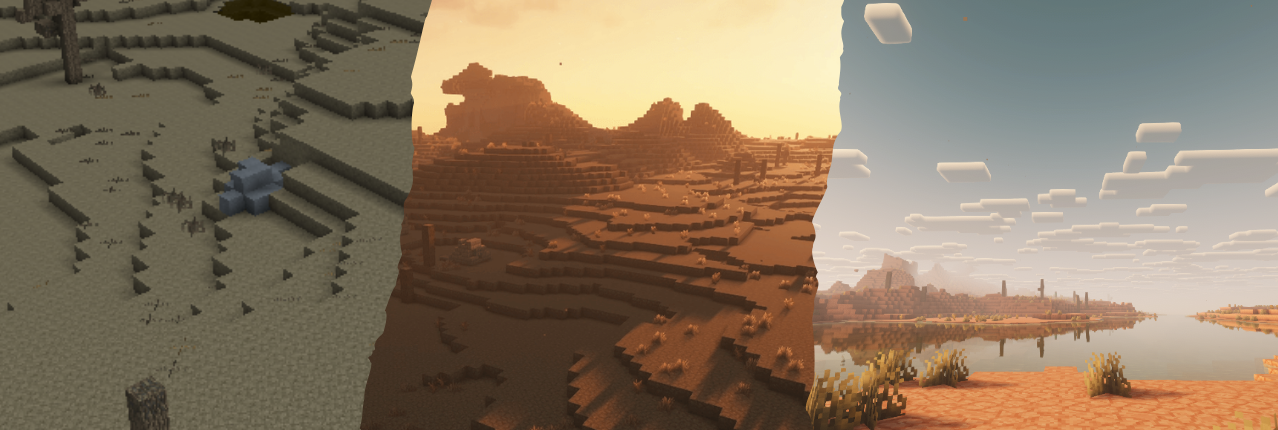
I have been thinking about modpack genres. The idea for For The Trees came when we played through ACCBDD’s Reclamation modpack in the summer of 2025. We were thinking about a new SMP experience for SunBlock and we wanted to see if we could leverage a more structured modpack design to enhance what we like to think of as an infrastructural turn in game studies and design; the idea of playing with the actual material infrastructure of the game that makes that play possible. In this case, the electricity our computers need to run these games at all.
Thematically we knew we would continue with thinking about the climate crisis, anthropogenic carbon, energy transition, and Minecraft’s latent ideologies of humanism, extractivism and over-production. As we have argued in the past, Minecraft is the perfect ecogame platform because it allows us to tackle, imagine and make change in the world as it is not as some fantastic eco-utopia. We need to work through Minecraft’s modernism, not ignore it.
We can do this by playing Minecraft differently. The modability of the game helps with this as players themselves can radically re-imagine and re-engage with the game in so many ways. I am neither idealistic nor romantic about modding, however. Most modded play is both derivative and reproductive of the modernist tropes we want to wrestle with. There are lots of reasons for this but I want to quickly zero in on modpack genre we specifically decided to work with.
One of my favorite modpacks of all time (and the sentiment is shared by many) is Regrowth. Made for version 1.7.10 over a decade ago, Regrowth was one of the most popular Hardcore Questing Mode or HQM packs. These modpacks overwrote many of vanilla and modded Minecraft’s normal mechanics and progression and used an in-game quest system to guide players through very customized experiences. The hardcore mode comes from the added ability to limit player lives which was not yet a feature of the normal game. This feature actively helped change the perception of Minecraft from a relatively easy kids’ game to something more sophisticated requiring some skill, experience through repeated play, and strategy in the form of logistical puzzles. Over the years, HQM packs gave way to a variety of genres of quest-based modpacks of which skyblock (and its derivatives) are perhaps the most famous.
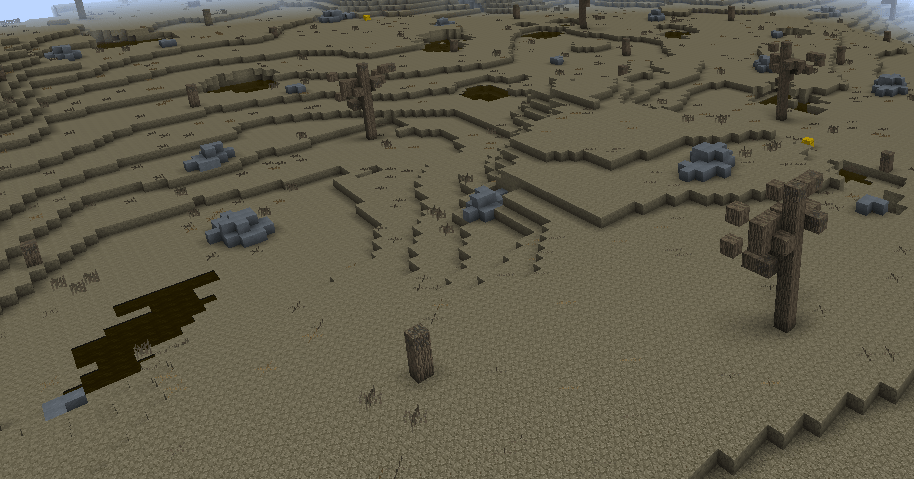
The short description of Regrowth reads as follows, “What Happens when Nature goes missing? How will you work to recover it? Regrowth is an HQM based pack without the common Hardcore aspect where you seek to solve these problems. You’ll start in a wasteland and eventually have the means to create a thriving magical and technical infrastructure.” For players in 2015 this hardly began to describe the way the modpack reimagined the modded game. You start in a barren, dried up world devoid of grass, trees and the pristine pastoral flora and fauna that typifies the normal Minecraft world. More importantly there are no ores to mine (at least not in the usual way). Instead, you must advance through a set of diverse mods to produce the resources you need to transform the gameworld and make it into a normal Minecraft world. The eco thematic here is leitmotif but the experience packs an aesthetic punch as slowly but surely life returns (we are meant to presume) to the world through your efforts.
This past summer we played Reclamation made by William Nottell (@ACCBDD) which revisited Regrowth for the more contemporary Minecraft version 1.20.1. The modpack is a homage to the original with notable updates and variations in mods and some of the mechanics but the basic idea is the same. It’s a brilliant piece of mod choreography. You start in a barren world and slowly, over the course of weeks of play, bring life back. I still remember the moment where I could finally cast the spell to convert a biome from dried earth to plains, the particle effects and wash of color of as the animation unfolded. There was a meaning in this that hinted at something beyond the game. It certainly brought back fond memories of Regrowth and the sense of accomplishment and joy I felt in the experience of watching the grass, flowers and trees appear in the world.
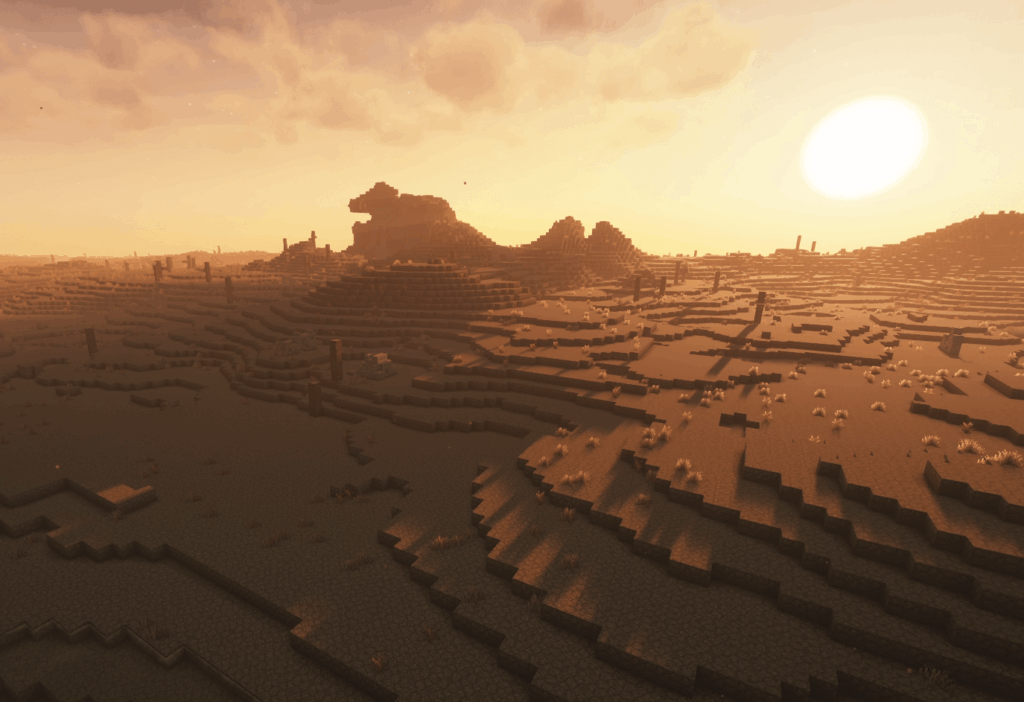
This time however I started reflecting on the fact that I wasn’t restoring the world so much as I was restoring a patch of the world around my base. This idea of regrowth or reclamation had a singularly humanist pretension in that the game’s progression, especially in the solipsistic single player world of Minecraft, was all for my own benefit. I wasn’t greening the world; I was greening MY world and indeed I only needed to change the land as much as my eye could see (if that). So, this grand ecological gesture which seemed at first so poignant suddenly struck me as just an enthusiastic form of gardening.
I don’t think this is an utterly bad thing, but I wonder if we could stretch it a bit more. After talking with the team, I approached Will and asked if he’d like to work with us and adapt his Reclamation modpack for For The Trees. FTT in this sense is a homage to Reclamation; a dialog with it in the form of a game. We will use the same HQM premise, structure and pacing with reworked mods and progression but we want to try to follow through on the argument Regrowth started but didn’t finish. Can we try to bring the forests back to barren land not for our own sakes but for the sake of the planet, for terrestrial life, and for all of us.
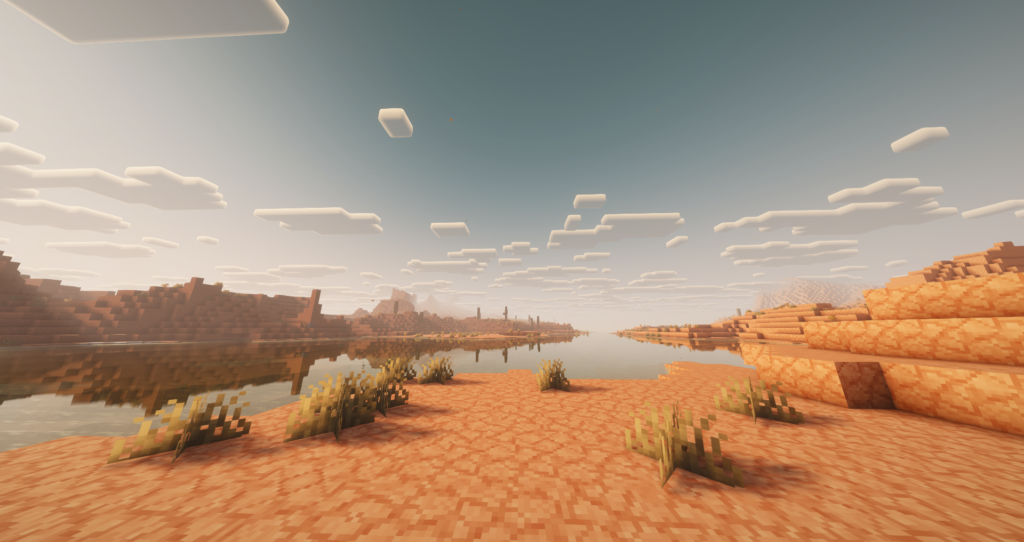
For me the key to making this work is to invite players to reimagine what the typical modded Minecraft base is and to push ourselves toward a broader conceptualization of planetary verses just human habitability. Making a forest in this sense, should be like making a base and vice versa where the question becomes less about my immediate needs, goals and desires as a player and more about the conditions for being able to play which must account for that land, those trees and that life that the player will never see. The seeds for this were already there in Regrowth, and again in Reclamation, which demonstrate the incredible pull of the idea by their popularity. Now we ask if SunBlock and our allegorical method can push this even further.